In the high-stakes world of early-stage startups and open-source development, there is a pervasive and often paralyzing myth: the belief that your brand must arrive fully formed, etched in stone, and polished to a mirror finish before it ever touches the public. This "perfectionist's trap" suggests that an identity change is a sign of failure or indecision. However, in the hyper-accelerated environment of the AI revolution, waiting for perfection is the fastest way to become obsolete.
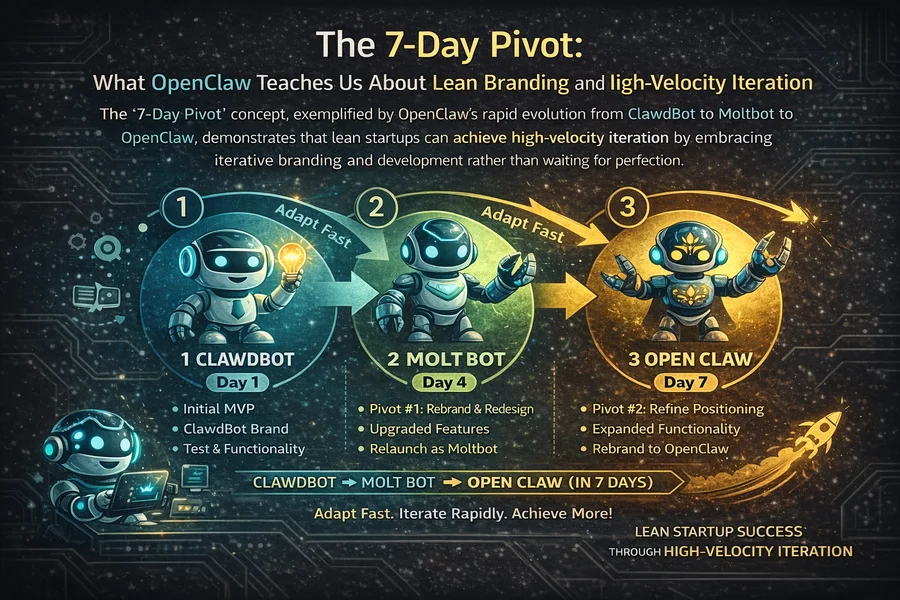
If you were watching the AI space last week, you saw that myth shattered in real-time. What began as ClawdBot evolved into Moltbot, only to finally settle as OpenClaw—all within the span of seven days. To the casual observer, this looks like "open-source whiplash." To a seasoned practitioner of the Lean Startup methodology, it looks like something else entirely: The Build–Measure–Learn feedback loop running at 10x speed.
This is the story of how a project used rapid-fire rebranding as a strategic tool for validation and survival, and why every solopreneur and founder should pay attention to the "OpenClaw Sprint."
The Anatomy of the Sprint: A Timeline of Strategic Chaos
To understand the "why," we first have to look at the "when." Most companies take six months to execute a rebrand. OpenClaw did it in a week. While the speed was impressive, the catalyst wasn't just a quest for the perfect name—it was a series of tactical responses to external threats that most startups face but few handle with such agility.
- The Launch (ClawdBot). The project hits the scene and trends immediately. However, a legal cloud forms instantly. The name "ClawdBot" is phonetically identical to Anthropic's "Claude." In the world of intellectual property, this is a ticking time bomb. The team realizes that staying with this name invites a cease-and-desist that could kill the project before it leaves the nest.
- The Defensive Pivot (Moltbot). The team pivots to Moltbot. It’s a metaphorical nod to growth, but more importantly, it's a legal "safe harbor." But a new threat emerges: Crypto Scammers. As the project gains steam, bad actors begin hijacking the "Molt" name to launch fake tokens and scam accounts. The team realizes they are in a race against bad actors who are trying to weaponize their identity.
- The Final Form (OpenClaw). The data—and the threats—are in. To survive, the project needs a name that is legally distinct, descriptive of its mission, and harder for scammers to "meme-ify" without immediate scrutiny. They land on OpenClaw. It signals "Open Source" and "Utility" while breaking the phonetic link to existing AI models.
- The Full Integration. New docs are live, the GitHub is updated, and the OpenClaw.ai site is launched. The project seemingly has successfully outrun both legal peril and the crypto-hijackers.
This wasn't a series of whimsical mistakes. It was a series of validated learnings about the legal and security landscape of the AI ecosystem.
💡 Key Insight: Rebranding isn't always an aesthetic choice; sometimes it is a survival pivot. OpenClaw showed that the Build–Measure–Learn loop can be used to navigate legal risks and security threats just as effectively as user feedback.
📘 The Lean Startup Angle: Pivoting Under Pressure
Usually, when we talk about Eric Ries’ The Lean Startup, we talk about features. But OpenClaw applied these principles to identity risk management.
1. The Build–Measure–Learn Loop as a Shield
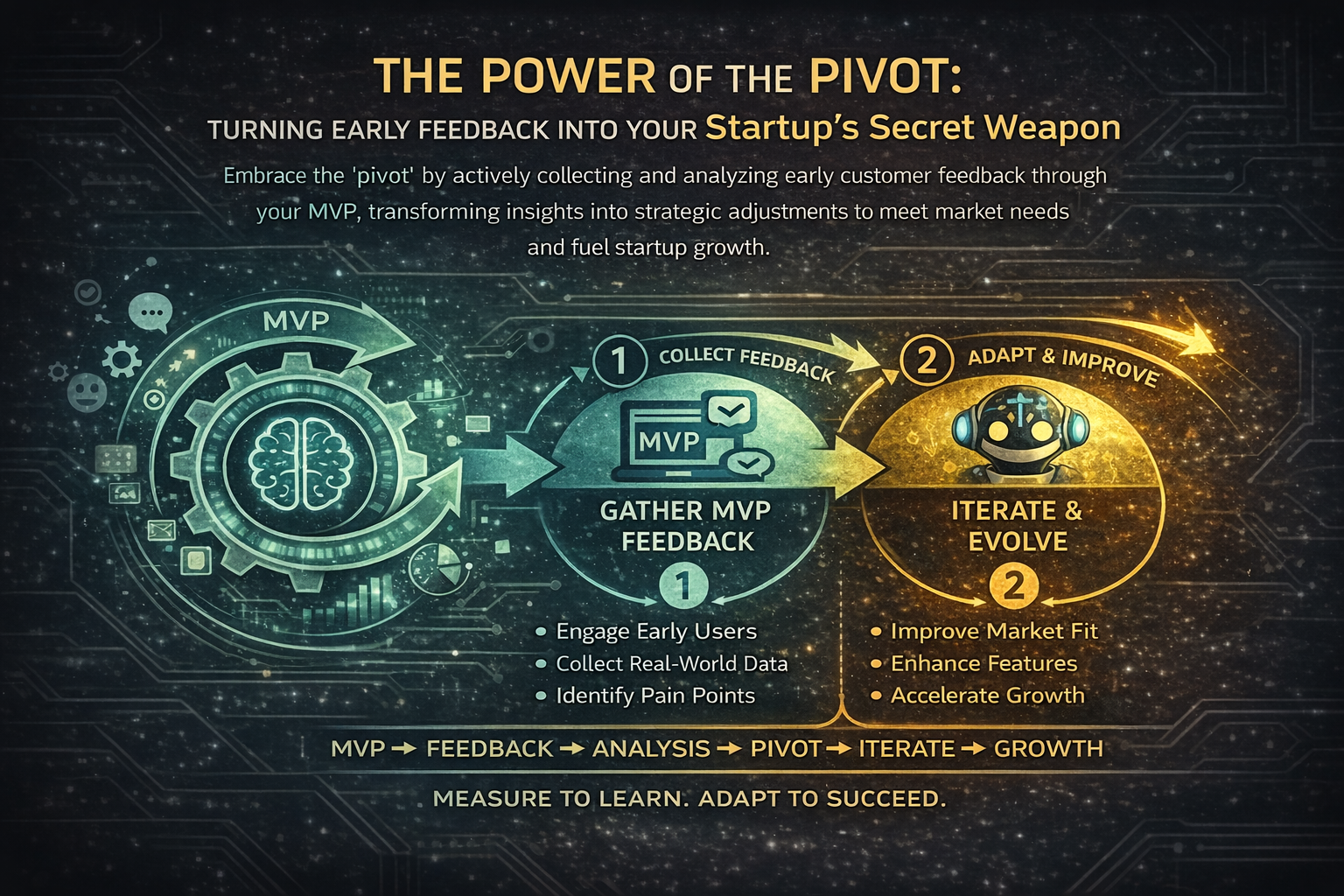
The core of Lean is the feedback loop. OpenClaw treated each name as a Minimum Viable Brand (MVB). They put the name in the wild and "measured" the signals—including the "negative signal" of potential trademark infringement and the "hostile signal" of scammer activity.
2. Validated Learning vs. Emotional Attachment
Many founders refuse to change a name because they "bought the domain" or "love the logo." This is an emotional vanity metric. OpenClaw ignored their own preferences in favor of Validated Learning. They learned that a "cool" name like Moltbot was being used by scammers to hurt their community. They didn't cling to the name; they prioritized the safety of their ecosystem.
✅ Pro Tip: Prioritize the safety and legal viability of your brand over personal preference. A brand you love that gets you sued or scammed is a failure, not a success.
3. The Cost of Delay
If OpenClaw had waited three months to address the "Claude" legal similarity or the "Molt" scamming, the community would have been fractured and the project potentially bankrupt. By rebranding before reaching mass-scale, they reduced their "Pivot Friction" to nearly zero and protected their early adopters.
"By rebranding before they reached mass-scale, they reduced their 'Pivot Friction' to nearly zero."
🧪 Applied Lean: The Infrastructure of Agility
The success of this sprint was about the infrastructure of agility. To move this fast, you need a workflow that treats identity as iterative rather than fixed.
Innovation Accounting for Identity
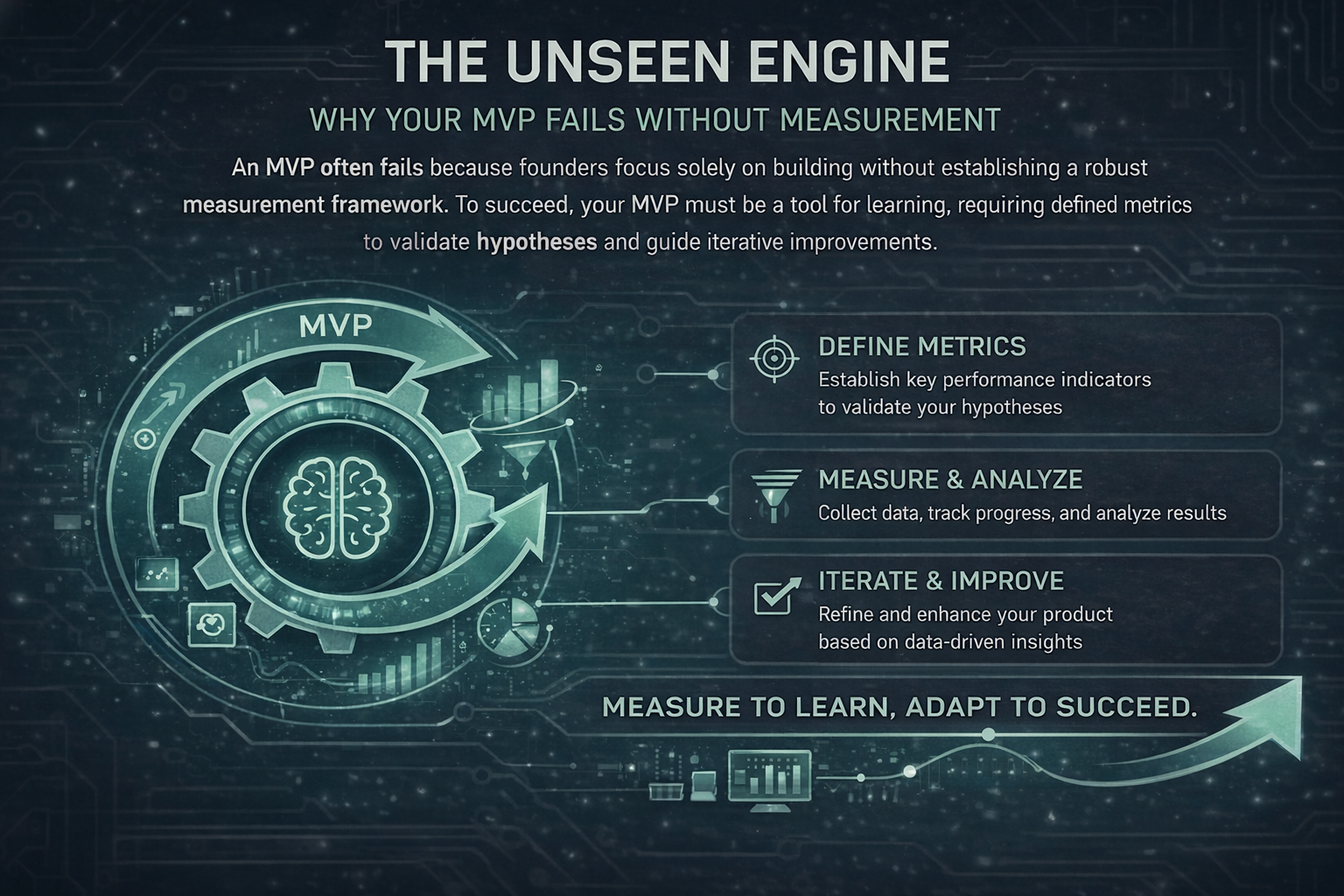
How do you "measure" a brand change when external forces are pushing back? For OpenClaw, the metrics included Risk Mitigation:
- Legal Distance: Is the name distinct enough from "Claude" to avoid a lawsuit?
- Security Resilience: Is the name distinct enough to prevent crypto-scammers from easily confusing our users?
- Clarity: Does the name "OpenClaw" immediately explain the product's open-source nature?
The "Molt" Strategy: The Environment Forces the Shell
The name Moltbot was a meta-commentary on the process, but the environment was the catalyst. In biology, an organism often molts because the environment has become hostile or its current shell is no longer protective.
Lean methodology teaches us that staying in a shell that is too small—or one that attracts predators—is more dangerous than the act of molting. The OpenClaw team didn't just "choose" to molt; they recognized that their previous identities were becoming targets for scammers and legal challenges. They molted to survive.
⚠️ Important: Staying in an ill-fitting or high-risk brand identity is more detrimental than the process of rebranding. Embrace the "molting" process to protect your future growth.
🚀 Why This Matters for Open Source and Solopreneurs
The OpenClaw sprint is a blueprint for the "Build in Public" era, where you are often building in the crosshairs of both competitors and scammers.
1. Branding as a Defensive Act
Traditional branding is about "attraction." Lean branding in the AI era is also about "protection." By listening to the community's concerns about scammers and legalities, the team built a "Security Moat"—proving they were active, alert, and willing to move the earth to protect their users.
2. Speed as a Feature
In the AI race, speed is the only sustainable competitive advantage. By executing a triple-rebrand to escape legal and security pitfalls while simultaneously launching a Showcase and a Docs site, the OpenClaw team signaled that they can out-maneuver any threat.
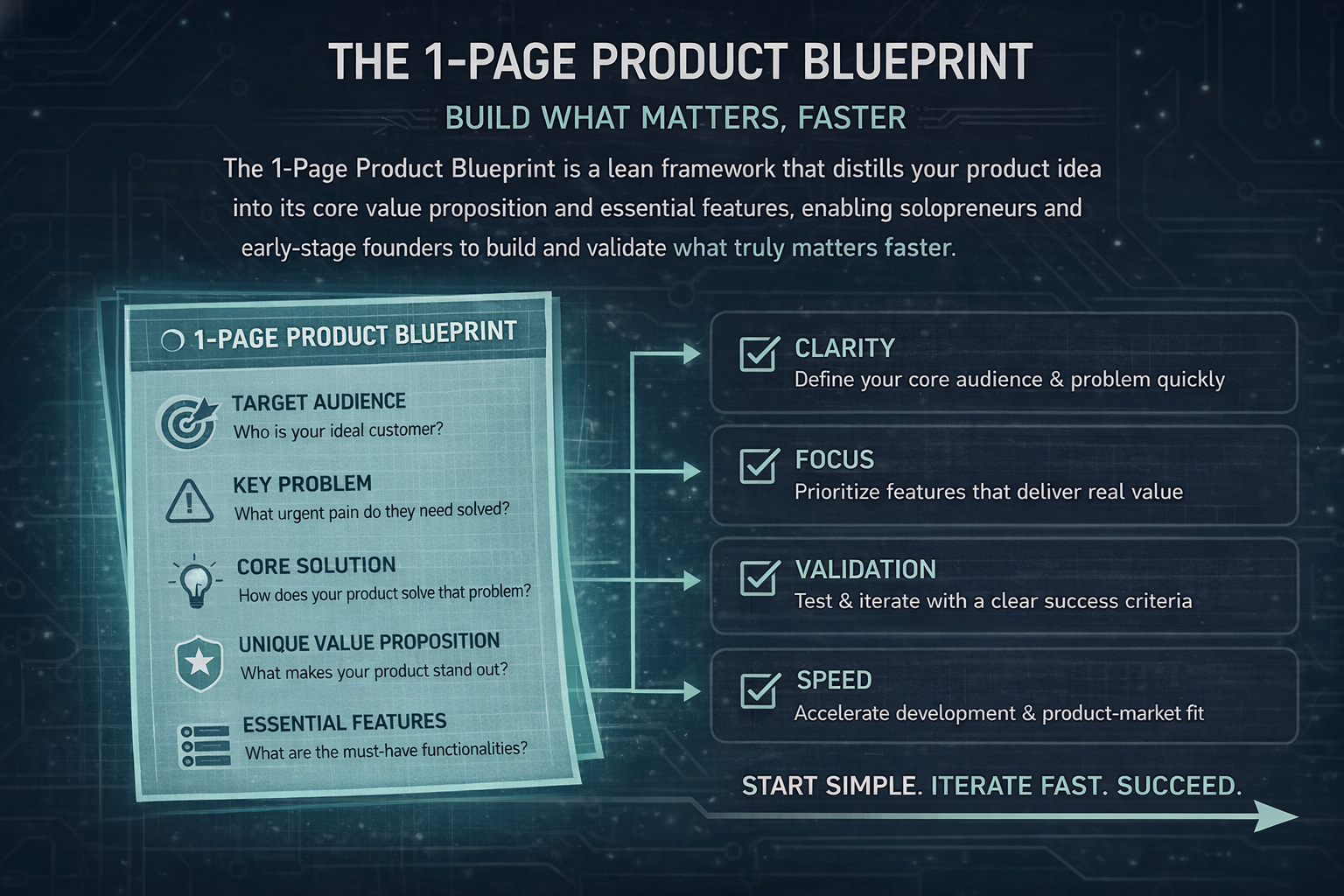
🛠 How to Execute Your Own "Brand Sprint"
The Takeaway: Identity is Iterative
The moral of the OpenClaw story isn’t that you should change your name every Monday morning. The moral is that nothing is precious—especially in the face of legal risk and security threats. Your brand, your code, and even your mission are all hypotheses until they are tested against the harsh reality of the market and the environment.
✅ Pro Tip: Treat your brand as a living document. It should evolve as your understanding of the legal and security landscape evolves. Don't let a name you chose on day one become a liability on day one hundred.
OpenClaw survived a "Timeline of Chaos" and emerged with a clean, descriptive, and community-approved identity because they weren't afraid to be "wrong" on Monday to be "right" on Friday. They valued learning more than they valued legacy. As you build your own venture, ask yourself: Are you clinging to an old shell because it’s comfortable, or are you ready to molt and find your final form?

No comments yet
Be the first to share your thoughts on this article!