The internet once revolved around links. Now, it's changing to a system where AI provides direct answers. This shift creates a big problem for how affiliate marketing and startups traditionally make money. For years, creators earned income by writing articles like "The Best [Product] for [Use Case]" to get people to click. However, AI programs like Perplexity, ChatGPT, and Google's AI Overviews now take the main ideas from these articles and present them as a direct answer. This often means the links that pay the creators are left out.
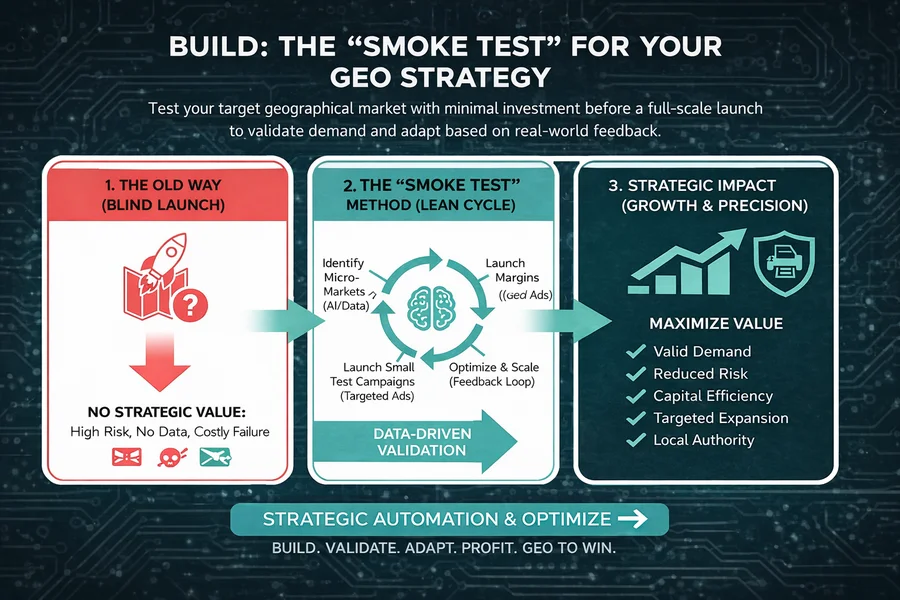
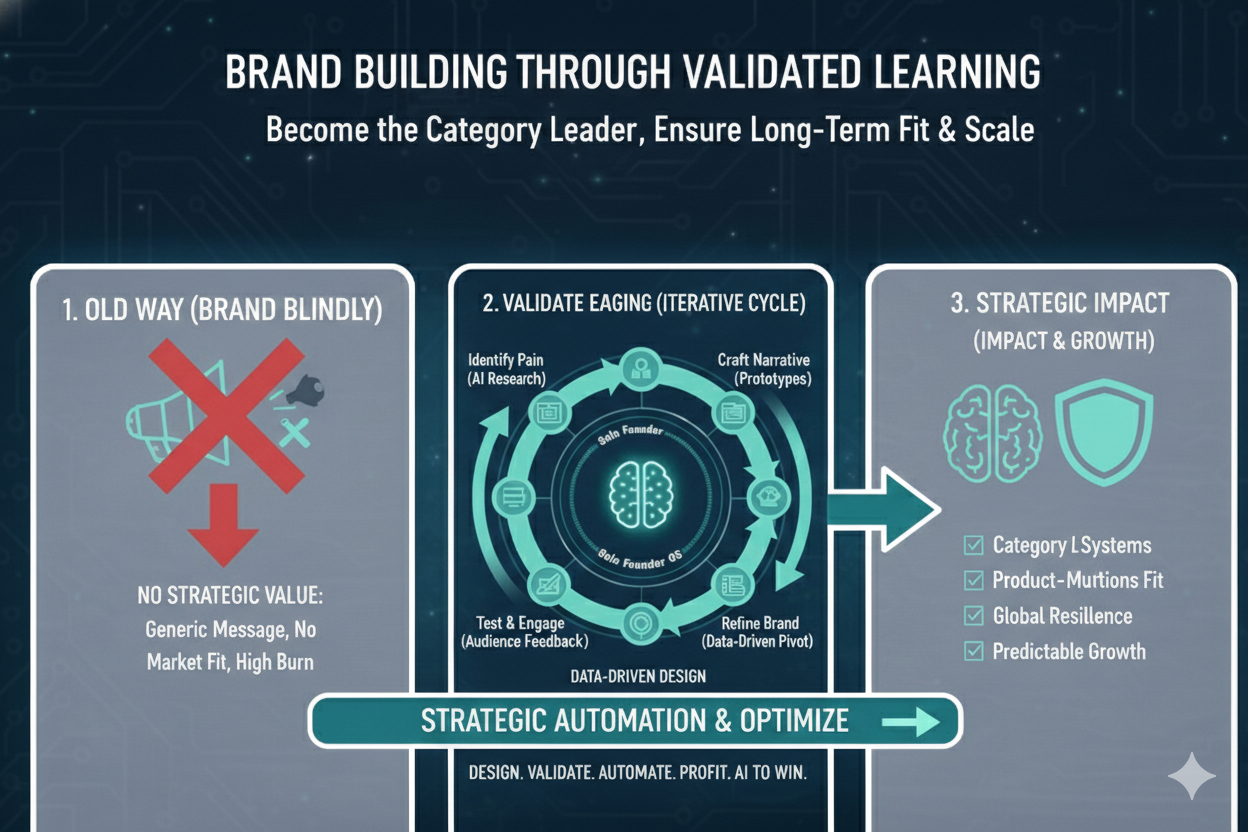
If you're a small business owner or an affiliate creator, the answer isn't just to "write more content." Instead, think about using a Lean Startup approach for Generative Engine Optimization (GEO). This means moving away from a "Waterfall" plan where you spend months on a single project. Instead, focus on a cycle of "Build-Measure-Learn." You start with a "Smoke Test"—a small, initial effort to see if you can successfully get AI to mention your brand and see you as an expert.
Why AI is a Challenge and Why You Need a Simple Plan
The move from a search economy based on links to a generative economy based on putting information together is the biggest change since the web began. When an AI program gives a "perfect summary" of your review, it solves the user's problem right away. This creates a "zero-click" situation. Users are sent straight to large online stores, skipping your site completely. Some creators have seen their website traffic drop by as much as 40%, even as AI uses their content to create those summaries.
The first part of your "Build" phase involves creating a Minimum Viable GEO (MVG) strategy. The main goal is to show that you can turn "AI mentions" into "Citation Authority." This means AI sees you as a reliable source of information, not just another website with a link.
The 72-Hour GEO Sprint
To help you act quickly, founders and creators are encouraged to complete this fast-paced sprint, designed for the biggest impact in the shortest time.
Technical Build—The llms.txt File
The fastest technical change you can make is to set up the `llms.txt` and `llms-full.txt` files. While `robots.txt` has always told search engine bots where they shouldn't go, the `llms.txt` file acts more like a helpful guide for AI. It tells generative AI models exactly what your site is about and where to find the most important information. Think of it as a helpful signpost for AI crawlers.
robots.txt to block bots from certain parts of a website. Now, llms.txt is a partner file created specifically for the AI age. It's being adopted quickly and is already supported by popular SEO tools like All in One SEO (AIOSEO).This file is becoming essential for a straightforward reason: AI models have trouble reading complicated websites. These sites often have many ads, pop-ups, and tracking codes that can confuse them. By providing an `llms.txt` file, you're giving the AI a clean, easy-to-understand version of your site's important information. This helps the AI correctly understand your brand and increases the chances that your site will be used as a main source when it creates summaries.
- # YourSiteName: Start with a main heading using the '#' symbol followed by your brand or website name. This clearly tells the AI who you are.
- > Summary: Follow this with a description of your expertise. Use the '>' symbol followed by a brief summary, ideally 1-2 sentences, explaining what you do and what makes you an authority.
- Sections: Use subheadings, also with the '#' symbol, to point AI to your most important content. For example, you can create headings for your "Ultimate Guides," "Comparison Tables," or "Key Services." These act as direct links for the AI to explore.
Content Build—The Inverted Pyramid and Answer-First Writing
AI models are not designed to read long, drawn-out stories. They value efficiency, clear information, and distinct pieces of data above all else. To work well with how they process information, you must adopt the "Inverted Pyramid" structure. This means putting the most crucial information right at the very top of your web pages, where AI is most likely to see it first.
The TL;DR Block
Every important review or guide you publish should start with a clear, bolded summary section, often called a "Too Long; Didn't Read" (TL;DR) block. This section should be just 2–4 sentences long. Its main purpose is to directly answer the user's search question right away. For example, it could state: "The best budget laptop for students in 2026 is the X model, because it offers a great balance of low cost and an impressive 15 hours of battery life." This provides the AI with a perfect, concise passage to pull for its summary. At the same time, it gives human readers a quick answer and a reason to click through for more detailed information if they want it.
Writing for Machine Use
To make your content more useful for AI, focus on specific details and clear structures. This involves more than just writing well; it means writing with AI's needs in mind. By structuring your content correctly, you make it easier for AI to understand, use, and cite your work.
- Specific Facts: Instead of using general terms like "very fast" or "highly effective," replace them with precise data. For instance, say "reduces load times by 47%" or "increases conversion rates by 15%." These exact figures are much more valuable to AI when it's trying to synthesize information. Providing concrete numbers makes your claims verifiable and useful.
- Comparison Tables: Create tables that compare different products or services side-by-side. These tables present factual data in a structured format that AI can easily process and use to build comparative answers. AI can quickly scan these tables to extract key differences and similarities, making your content a go-to source for comparative analysis.
- Question Headings: Frame your headings as questions, such as "Is [Product X] worth it in 2026?" or "What are the benefits of [Service Y]?". This approach matches the way users often ask questions to AI. It helps AI identify relevant content more easily because the structure of your headings aligns with AI's conversational understanding.
The "Measure" and "Learn" Phases
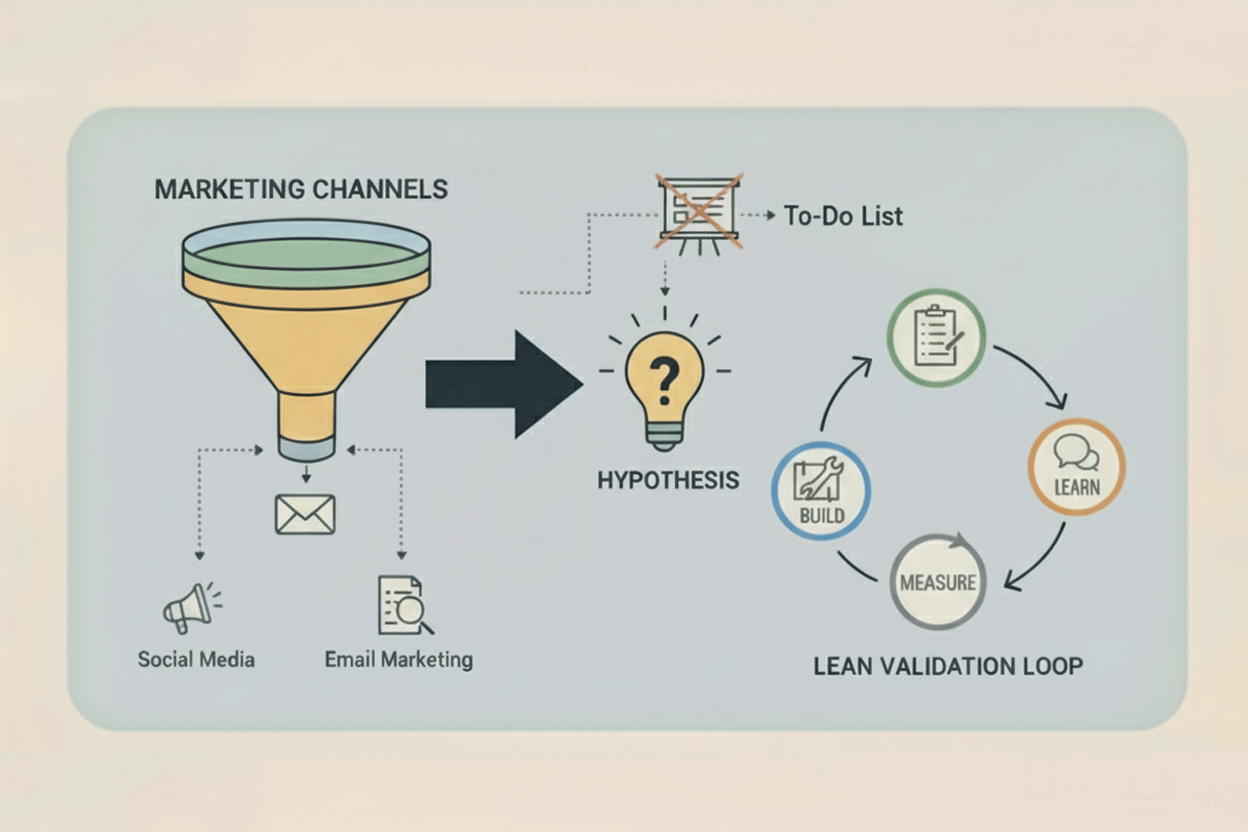
After you've put your "Smoke Test" tactics into practice, it's crucial to track how well they're working. This is where you gather information to see if your changes are having the desired effect. Measuring results helps you understand what's successful and what needs improvement in your GEO strategy.
- AI Mentions: Keep an eye on AI-generated answers from platforms like Perplexity or Google’s AI Overviews. Look specifically for mentions of your brand name. This is a direct indicator that AI is recognizing your content. Consistent mentions suggest your optimization efforts are paying off.
- Citation Authority: Track how often your content is cited as a source by AI models. This is different from just being summarized; it means the AI explicitly credits your work. Gaining citation authority shows that AI views you as a primary and trustworthy source, which is a key goal of GEO.
- Referral Traffic: Check your website analytics to see if you're getting visitors directly from AI platforms. While direct clicks might be lower in a zero-click environment, some traffic will still come from AI referrals. Monitoring this helps you understand the direct impact of AI on your audience numbers.
Based on the data you collect during the "Measure" phase, you can then adjust your strategy. This is the "Learn" part of the cycle. For example, if you notice that AI is mentioning your brand but getting your facts wrong, it means your content needs to be clearer or more precisely worded. If AI is citing you but not prominently, you might need to improve the discoverability of your key information. This ongoing process of testing, observing, and refining is the heart of the GEO strategy. It allows you to adapt to the constantly changing AI landscape.
Conclusion: Safeguarding Your Future
The main objective of this GEO strategy is to transform your valuable ideas and information into "products" that AI engines can trust and rely on. By building these foundational elements now, you establish a baseline that can be consistently measured and then expanded upon. This proactive approach is essential for long-term success in the evolving digital world.
Don't wait until your website traffic has completely vanished before taking action. Begin your "Build" phase today with these simple changes. Once you have "Validated Learning" that AI recognizes your summaries and cites your content, you can scale your strategy and safeguard your income for the long term. This approach ensures you stay relevant and profitable as AI continues to shape how people find information online.

No comments yet
Be the first to share your thoughts on this article!